Russell Substation Expansion and Wind Farm Electrical Design
Sacramento Municipal Utility District | Solano Wind Farm Phase III | Montezuma Hills, California
Project Overview
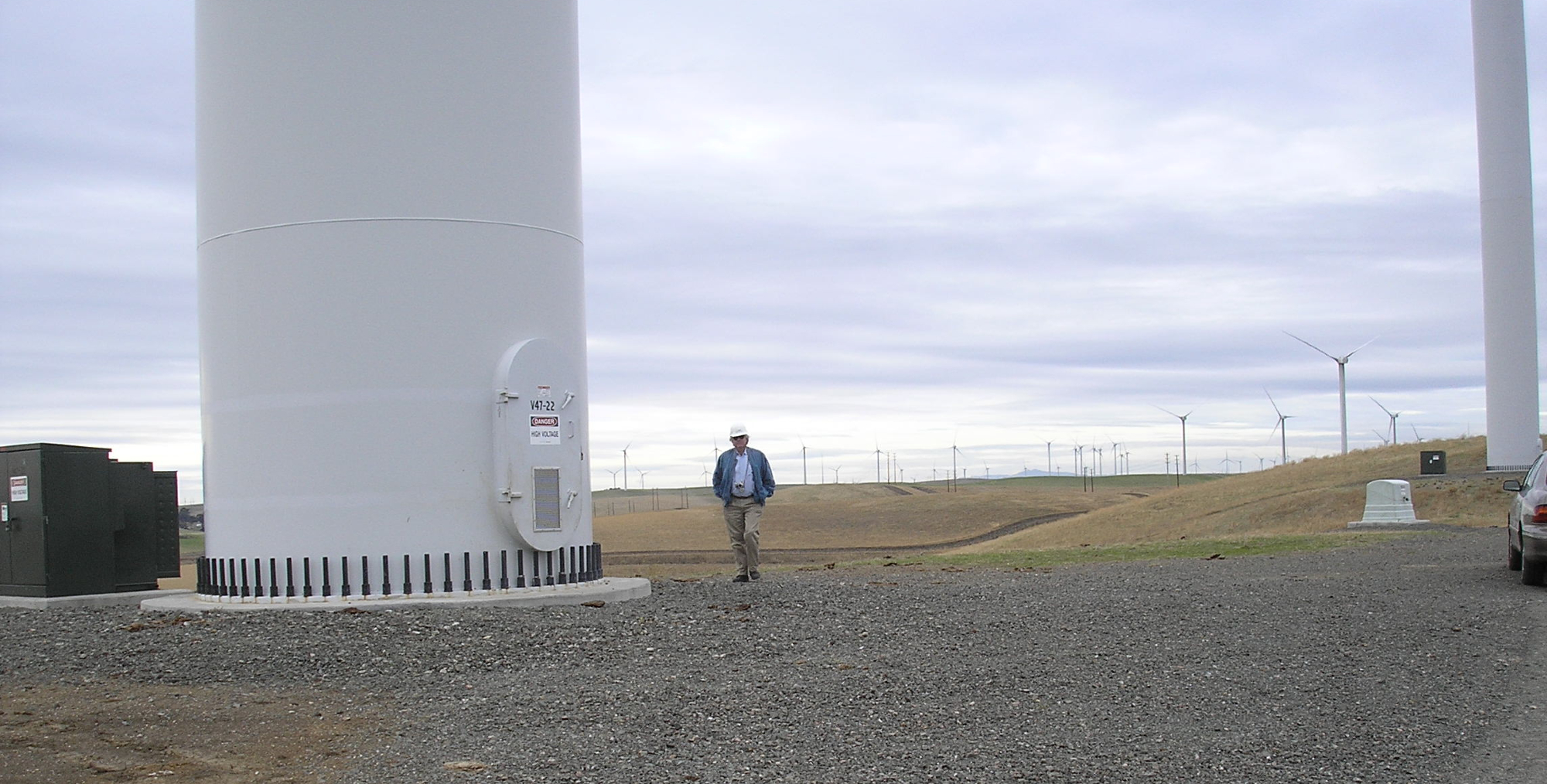
The Phase III Expansion
Project Challenge
Expanding into Difficult Terrain on a Compressed Schedule
Coordinating a Multi-Discipline, Multi-Package Delivery
Client
Sector
Location
Services
Drink
As part of this expansion, AWA identified an opportunity to recover energy that was previously being wasted.
Client
Sector
Location
Services
Drink
As part of this expansion, AWA identified an opportunity to recover energy that was previously being wasted.
Project Overview
The Phase III Expansion
Project Challenge
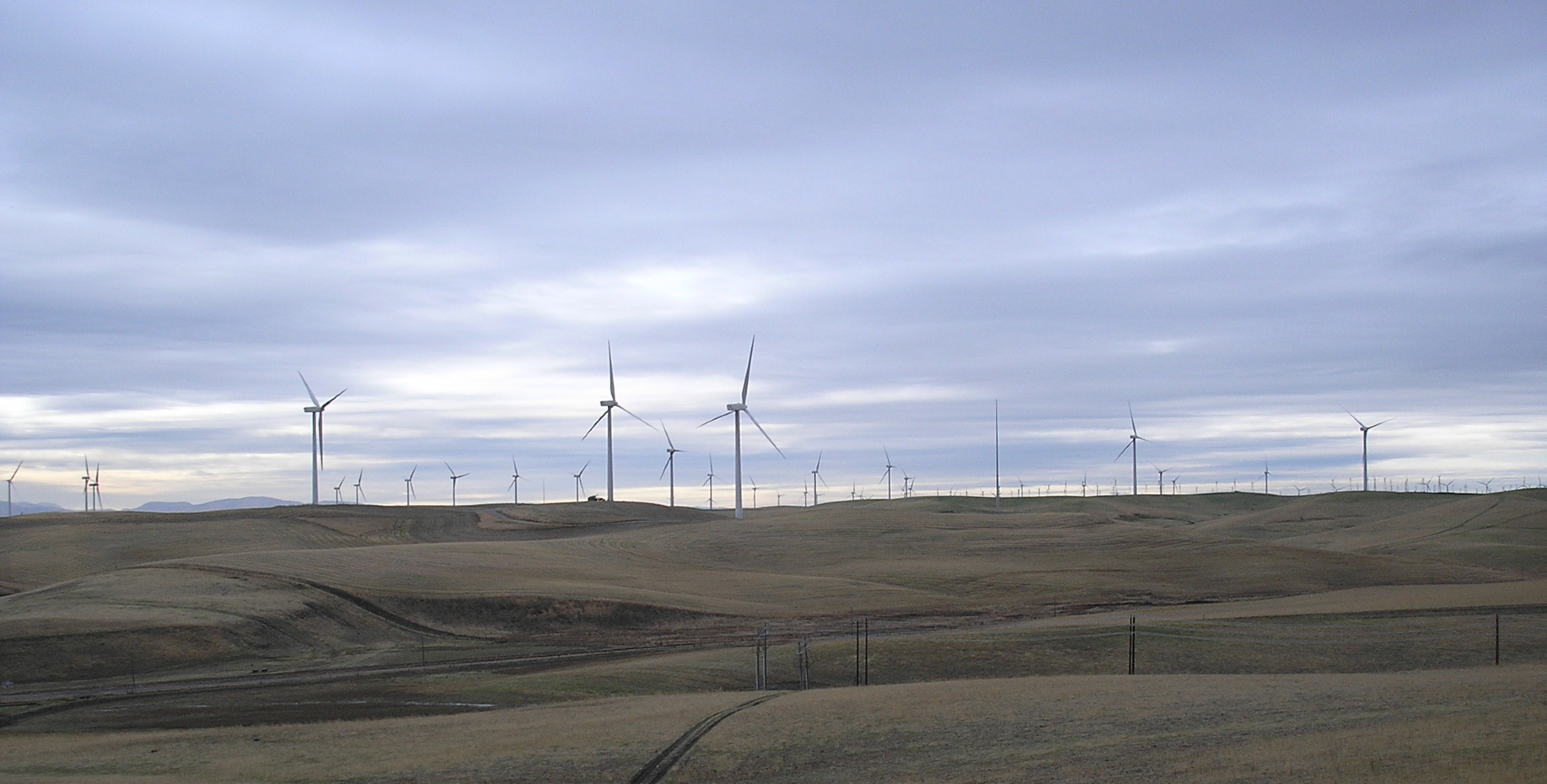
Expanding into Difficult Terrain on a Compressed Schedule
Coordinating a Multi-Discipline, Multi-Package Delivery
Engineering Solution
Early Procurement and Phased Construction Packages
Key Technical Elements
Parameter | Detail |
Phase III Capacity | 128 MW; 80 turbines rated at 1.6 MW each, double-wound induction generators |
Substation Expansion | 200 MVA 230:34.5 kV main power transformer; 2000A 230 kV power circuit breaker; 230 kV and 34.5 kV disconnect switches and feeder breakers |
Collection System | Four 34.5 kV underground circuits serving 80 generating units |
Grid Connection | PG&E 230 kV Birds Landing Switchyard; System Impact Study and SF6 breaker specifications provided |
Protection and Control | Complete protective relaying, revenue metering, RTU, battery system, and controls in new control building |
Engineering Calculations | Insulation coordination, CT saturation, battery sizing, ground grid design |
EETS Role | Lead electrical engineer and Engineer of Record; EPC contract documents prepared in conjunction with AECOM (civil and structural) |
Schedule Strategy | Early procurement specifications for long lead time equipment; three-package construction bid to enable parallel civil, structural, and electrical execution |
Phase II Background | Power factor and voltage analysis; 21 kV 21.6 MVAR switched capacitor bank design; annual load profile and system loss study |
Project Outcome
Value Delivered by EETS
Continuity Across Phases
Full-Scope Electrical Engineering and Engineer of Record
Schedule Discipline Through Procurement and Package Strategy
Drink
As part of this expansion, AWA identified an opportunity to recover energy that was previously being wasted.