
Semiconductor Fabrication Plant Electrical Upgrades and Inspection Services
Project Overview
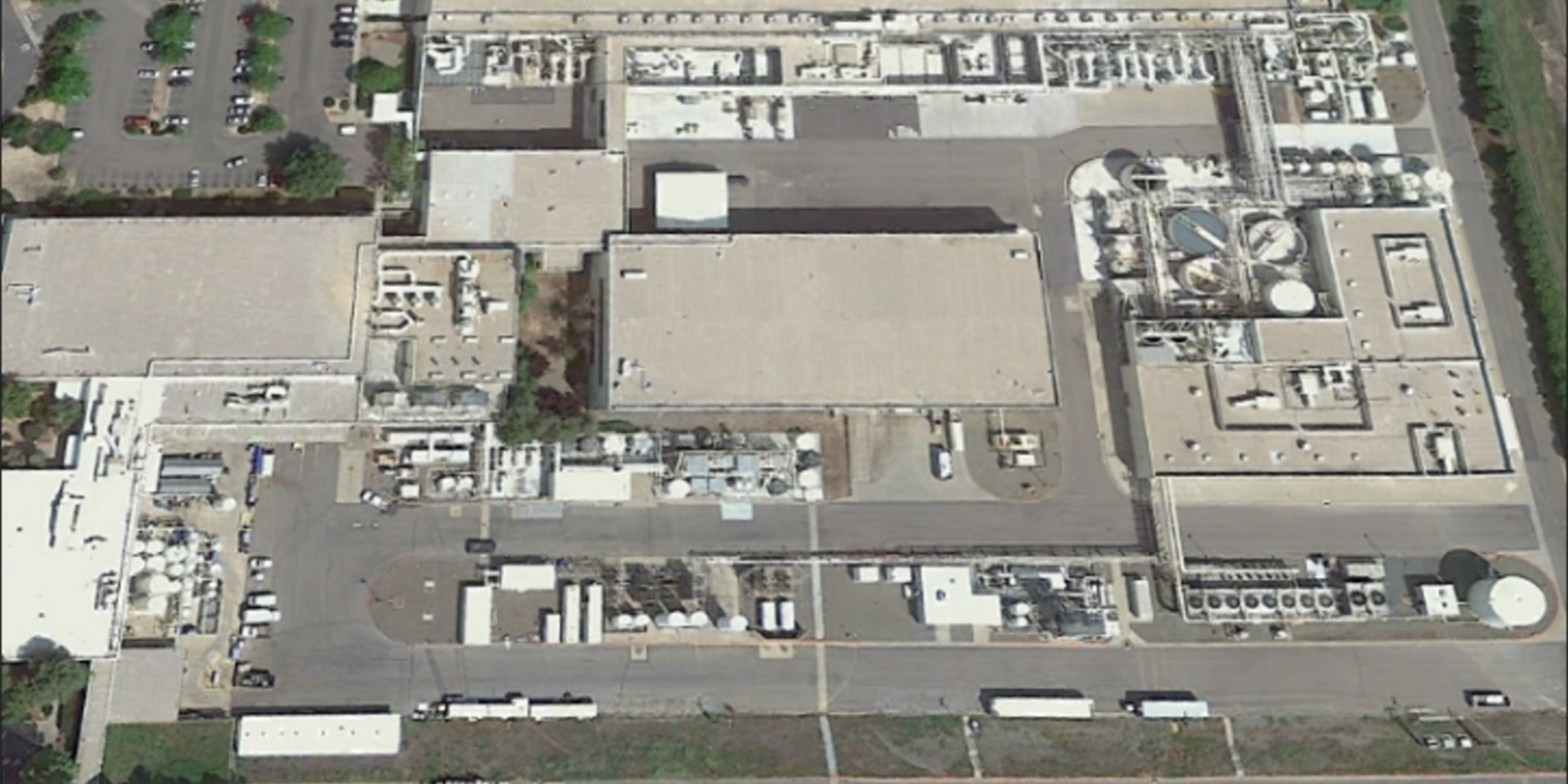
NEC Electronics America’s fabrication plant in Roseville, California manufactures 8-inch semiconductor wafers containing integrated circuits used as microcontrollers in the automotive, healthcare, and consumer electronics industries. The facility is a high-density manufacturing environment fed by two City of Roseville substations at 12 kV, with a complex electrical distribution system supporting a large installed base of sensitive process equipment requiring both normal power and uninterruptible power supply service.
Over the course of a multi-year engagement, EETS completed numerous electrical upgrade projects for the plant, spanning design, inspection, engineering studies, and technical training. The scope grew over time to reflect the depth of trust NEC placed in EETS as its electrical engineering partner: EETS ultimately served as the City of Roseville’s inspector of record for new facilities installations at the plant, a role that carries independent professional responsibility for verifying code compliance on behalf of the authority having jurisdiction.
The Facility and Electrical Scope
Semiconductor fabrication demands highly reliable power delivery. Process equipment is sensitive to both power quality and outages, and the consequences of an unplanned interruption during wafer processing can be measured in lost product and facility downtime. The NEC Roseville plant’s electrical infrastructure reflected this: a 12 kV medium-voltage distribution system fed from two utility substations, with extensive UPS coverage for critical loads and a wide variety of installed equipment drawing power at multiple voltage levels.
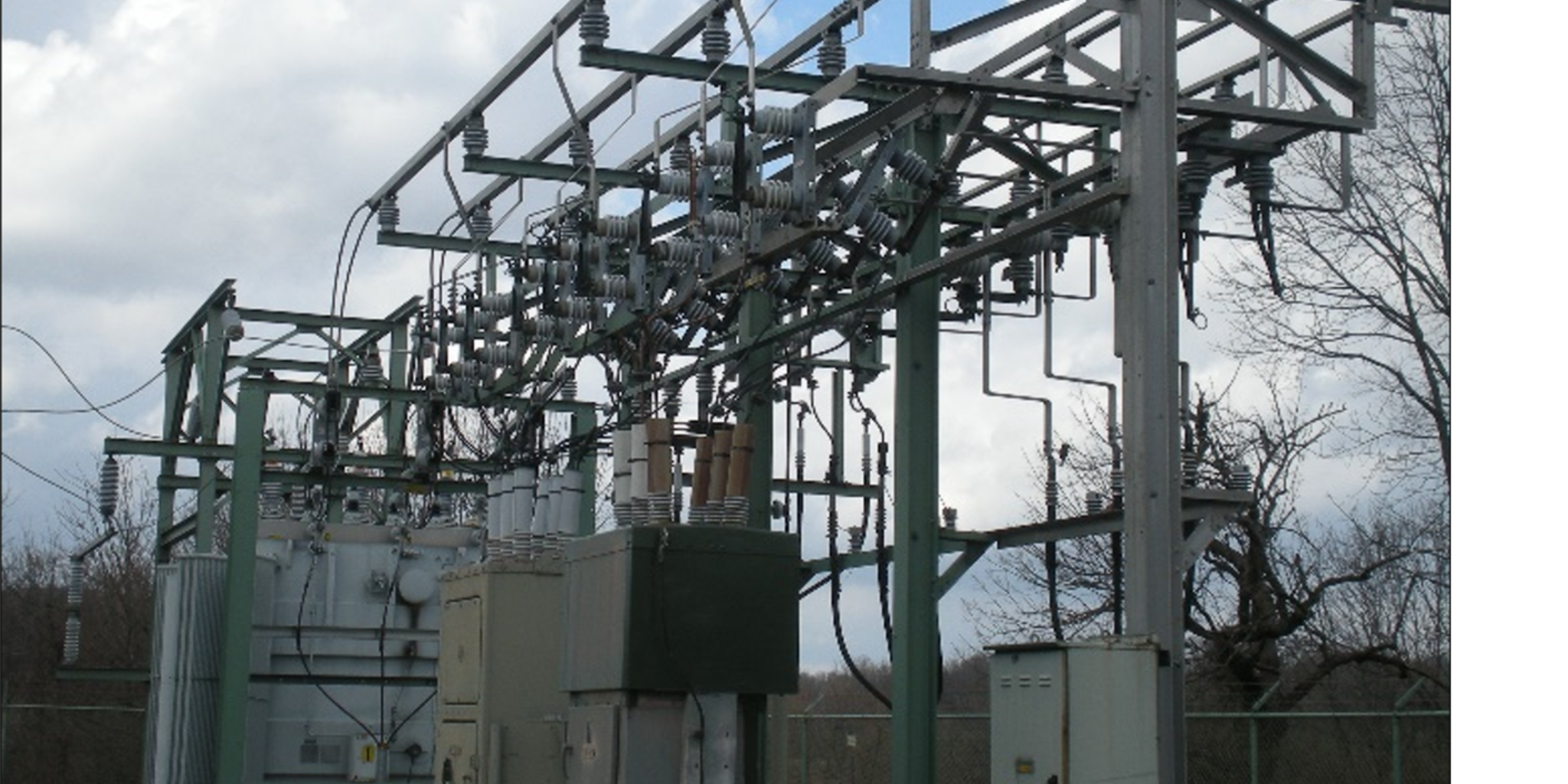
EETS design work at the plant included 12 kV paralleling switches and distribution system modifications, VFD battery backup switchboards, and installation packages for individual tool connections covering cable routing, circuit design, and UPS service coordination. EETS also performed code compliance and panel fill calculations, updated panel schedules, and prepared specifications and plans for competitive contractor bidding. Phasing surveys and studies confirmed correct system configuration at key points in the distribution network.
Project Challenge
Panelboard Access in a Live Production Environment
NEC’s facilities maintenance team needed frequent access to the load-side wiring of panelboard circuit breakers across the plant. The work they needed to perform without a shutdown included taking current readings with clamp-on current transformers, monitoring harmonic currents and voltages, and rearranging or adding circuits. Each of these tasks required unobstructed physical access to the vertical load-side wireways of the panels and, in the case of voltage monitoring, clear line of sight to the circuit breaker load lugs without removing the deadfront.
The constraint was physical. A clamp-on current transformer requires a jaw opening of approximately four inches, which means at least five inches of clear space in the wireway to maneuver around the conductor of interest. Voltage monitoring requires attaching a test clip to an energized bare load lug, which is only safe if the lug is visible and accessible from the wireway without removing the deadfront. Many of the panelboard types installed at the plant did not provide this access. Standard construction with removable trim and a fixed deadfront left the load lugs recessed or obscured. In some designs, a vertical channel along the deadfront edge blocked wireway access to the point where gaining entry required removing the channel and risking sheet metal filler pieces falling onto exposed live terminals.
Maintaining Code Compliance Across a Dense Equipment Base
A semiconductor fabrication plant installs, relocates, and modifies process equipment on an ongoing basis. Each new tool connection involves evaluating conductor sizing, conduit fill, breaker protection, and derating for the number of conductors sharing a conduit, all of which must be verified for code compliance before the installation is accepted. At a facility with the equipment density and rate of change of the NEC Roseville plant, maintaining accurate records and verifying each installation’s compliance with NEC conductor ampacity and protection requirements was an ongoing engineering responsibility, not a one-time task.
Client
NEC Electronics America, Inc.
Sector
Private / Semiconductor Manufacturing
Location
Roseville, California
Services
Electrical Engineering Design │ 12 kV Distribution │ UPS and VFD Systems │ Engineering Studies │ Inspector of Record │ Panelboard Accessibility Study │ Bid Services

Drink
As part of this expansion, AWA identified an opportunity to recover energy that was previously being wasted.
Client
NEC Electronics America, Inc.
Sector
Private / Semiconductor Manufacturing
Location
Roseville, California
Services
Electrical Engineering Design │ 12 kV Distribution │ UPS and VFD Systems │ Engineering Studies │ Inspector of Record │ Panelboard Accessibility Study │ Bid Services
Drink
As part of this expansion, AWA identified an opportunity to recover energy that was previously being wasted.
Project Overview
NEC Electronics America’s fabrication plant in Roseville, California manufactures 8-inch semiconductor wafers containing integrated circuits used as microcontrollers in the automotive, healthcare, and consumer electronics industries. The facility is a high-density manufacturing environment fed by two City of Roseville substations at 12 kV, with a complex electrical distribution system supporting a large installed base of sensitive process equipment requiring both normal power and uninterruptible power supply service.
Over the course of a multi-year engagement, EETS completed numerous electrical upgrade projects for the plant, spanning design, inspection, engineering studies, and technical training. The scope grew over time to reflect the depth of trust NEC placed in EETS as its electrical engineering partner: EETS ultimately served as the City of Roseville’s inspector of record for new facilities installations at the plant, a role that carries independent professional responsibility for verifying code compliance on behalf of the authority having jurisdiction.
The Facility and Electrical Scope
Semiconductor fabrication demands highly reliable power delivery. Process equipment is sensitive to both power quality and outages, and the consequences of an unplanned interruption during wafer processing can be measured in lost product and facility downtime. The NEC Roseville plant’s electrical infrastructure reflected this: a 12 kV medium-voltage distribution system fed from two utility substations, with extensive UPS coverage for critical loads and a wide variety of installed equipment drawing power at multiple voltage levels.
EETS design work at the plant included 12 kV paralleling switches and distribution system modifications, VFD battery backup switchboards, and installation packages for individual tool connections covering cable routing, circuit design, and UPS service coordination. EETS also performed code compliance and panel fill calculations, updated panel schedules, and prepared specifications and plans for competitive contractor bidding. Phasing surveys and studies confirmed correct system configuration at key points in the distribution network.
Project Challenge
Panelboard Access in a Live Production Environment
NEC’s facilities maintenance team needed frequent access to the load-side wiring of panelboard circuit breakers across the plant. The work they needed to perform without a shutdown included taking current readings with clamp-on current transformers, monitoring harmonic currents and voltages, and rearranging or adding circuits. Each of these tasks required unobstructed physical access to the vertical load-side wireways of the panels and, in the case of voltage monitoring, clear line of sight to the circuit breaker load lugs without removing the deadfront.
The constraint was physical. A clamp-on current transformer requires a jaw opening of approximately four inches, which means at least five inches of clear space in the wireway to maneuver around the conductor of interest. Voltage monitoring requires attaching a test clip to an energized bare load lug, which is only safe if the lug is visible and accessible from the wireway without removing the deadfront. Many of the panelboard types installed at the plant did not provide this access. Standard construction with removable trim and a fixed deadfront left the load lugs recessed or obscured. In some designs, a vertical channel along the deadfront edge blocked wireway access to the point where gaining entry required removing the channel and risking sheet metal filler pieces falling onto exposed live terminals.
Maintaining Code Compliance Across a Dense Equipment Base
A semiconductor fabrication plant installs, relocates, and modifies process equipment on an ongoing basis. Each new tool connection involves evaluating conductor sizing, conduit fill, breaker protection, and derating for the number of conductors sharing a conduit, all of which must be verified for code compliance before the installation is accepted. At a facility with the equipment density and rate of change of the NEC Roseville plant, maintaining accurate records and verifying each installation’s compliance with NEC conductor ampacity and protection requirements was an ongoing engineering responsibility, not a one-time task.
Engineering Solution
A Systematic Panelboard Accessibility Study
EETS conducted a systematic study of the panelboard types installed across the NEC Roseville facility, evaluating each against the physical access requirements the maintenance team needed to perform their work safely without shutdowns. The study went beyond the installed equipment to survey the standard construction options available from the major panelboard manufacturers represented at the site: General Electric, IEM, Siemens-ITE, and Square D. For each manufacturer and product line, EETS identified whether door-in-door or hinged door-within-a-door construction was available, whether box extensions could provide additional wireway depth, and what interrupting ratings and bus configurations were offered in access-compatible configurations.
The door-in-door construction option, where the trim is hinged rather than removable, was the key feature that addressed the maintenance team’s needs. With the trim swung aside rather than lifted out and set down, access to the vertical wireway was immediate, unobstructed, and repeatable without the risk of loose deadfront hardware near energized conductors. The study gave NEC a clear, manufacturer-verified basis for specifying panelboard construction on future installations and for evaluating replacement options for panels where access was inadequate.
Inspector of Record for the City of Roseville
EETS served as the City of Roseville’s inspector of record for new facilities installations at the NEC plant. In this role, EETS conducted equipment inspections across the fabrication line, producing equipment inspection reports, non-conformance reports, and final inspection reports for individual tool installations. Each inspection verified conductor sizing and ampacity, conduit fill and derating calculations, breaker protection adequacy, disconnect accessibility and lockability, and equipment guarding, with non-conformances documented and tracked to resolution. The conductor derating calculations were particularly critical given the density of conductors sharing conduits in a facility of this type, where multiple equipment circuits routed together can reduce individual conductor ampacity significantly below the NEC table values.
Holding the inspector-of-record role at a facility of this scale and complexity is a significant professional responsibility. It placed EETS not just as NEC’s engineering consultant but as the authority-having-jurisdiction’s representative on site, accountable for the accuracy of every inspection finding. EETS also conducted a broader electrical audit of NEC’s practices and procedures, providing an independent assessment of how the facility’s electrical work was being planned and executed.
Key Technical Elements
Parameter | Detail |
Facility | NEC Electronics America semiconductor fabrication plant, Roseville, California; 8-inch wafer manufacturing for automotive, medical, and consumer electronics applications |
Engagement Scope | Electrical design, engineering studies, inspection services, panelboard accessibility study, training workshops; ongoing multi-scope engagement |
Design Work | 12 kV paralleling switches; 12 kV distribution system modifications; VFD battery backup switchboards; tool installation packages including normal power and UPS service; panel schedule updates; code compliance and fill calculations |
Inspector of Record | City of Roseville inspector of record for new facilities installations; equipment inspection reports, non-conformance reports, and final inspection reports across the fabrication line |
Panelboard Study | Facility-wide panelboard accessibility assessment; manufacturer survey covering GE, IEM, Siemens-ITE, and Square D; analysis of wireway depth, deadfront geometry, and door-in-door construction options |
Engineering Studies | Phasing surveys and studies; electrical audit of NEC practices and procedures; harmonics analysis |
Bid Services | Specifications and plans for contractor bidders; bid analysis assistance |
Training | Workshops for facilities engineering staff and maintenance personnel on normal and UPS power systems |
Project Outcome
EETS delivered electrical engineering services across the full range of NEC’s needs at the Roseville plant: design work spanning 12 kV distribution modifications and VFD battery backup systems, a systematic study that gave the facilities maintenance team an actionable basis for specifying panelboard access on future installations, and independent inspection services that satisfied the City of Roseville’s requirements for new equipment approvals. The engagement grew over time to reflect the trust NEC placed in EETS as a consistent, technically reliable engineering partner for an operationally complex facility where electrical reliability and code compliance were both non-negotiable.
Value Delivered by EETS
The NEC engagement was not a single project but a sustained relationship with a technically demanding client operating a facility where electrical failures had direct production consequences. What EETS brought to it was breadth, rigor, and independence.
Solving a Practical Maintenance Problem with Engineering Rigor
The panelboard accessibility problem NEC brought to EETS was a real operational constraint: maintenance technicians could not safely perform routine monitoring tasks on energized panels without either shutting down circuits or removing deadfronts, neither of which was acceptable in a live production environment. EETS addressed it not with a quick opinion but with a structured study that surveyed the installed equipment, surveyed the available options from four major manufacturers, and documented the specific construction features that would meet the requirement. That work gave NEC a defensible, manufacturer-supported specification basis rather than a workaround.
Independent Inspection Authority
The R10 and R21 separation work required EETS to apply its knowledge of the campus 12 kV loop to a fundamentally different kind of problem: not building out the system, but safely disaggregating it. Identifying that both buildings could be switched off the HP loop without impacting any other campus load, that existing underground conduits could carry the new COR feeders with minimal new trenching, and that sub-switching points along the loop provided flexibility for sequencing the two separations independently, all depended on knowing the system in detail. The result was a separation plan that was operationally clean, cost-efficient, and completed without disrupting HP’s ongoing operations.
Engineering Across the Full Scope
The range of work EETS performed at the NEC Roseville plant, from 12 kV medium voltage design to individual tool installation packages, from panelboard studies to inspection reports, from bid support to technical training, reflects the kind of engagement that develops when a client finds an engineering firm they can rely on across a wide range of needs. Semiconductor fabrication facilities do not have the luxury of using a different engineer for every scope; they need a firm that understands the facility holistically and can be trusted to deliver consistently across all of it. That is what EETS provided at Roseville.
Drink
As part of this expansion, AWA identified an opportunity to recover energy that was previously being wasted.